Technology Saves Time. Presence Is What You Spend It On.
By Adam Coury
On Diary of a CEO, Adam Newman challenged Steven Bartlett to leave his phone at home for a day. That challenge stuck with me. This past weekend I left my phone behind for half a day and went to a party with no screen and no distractions. It was one of the best experiences I've had in a long time. I wasn't worried about what I was missing. I was just there. Technology was supposed to give us time back. Most of us feel it taking time instead.
On Diary of a CEO, Adam Newman challenged Steven Bartlett to leave his phone at home for a day.
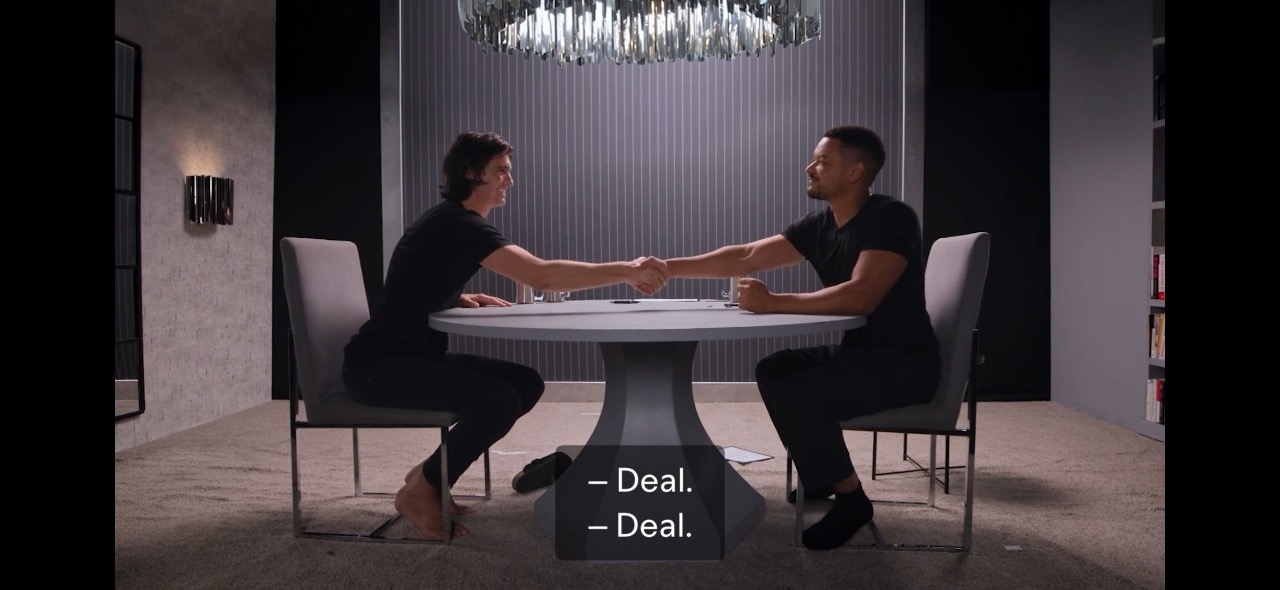
That challenge stuck with me. This past weekend I left my phone behind for half a day and went to a party with no screen and no distractions. It was one of the best experiences I've had in a long time. I wasn't worried about what I was missing. I was just there.
Technology was supposed to give us time back. Most of us feel it taking time instead. Stillness is hard to find when something in your pocket is always asking for you.
The best thing you can give someone is not a faster reply. It's your undivided attention.
WHAT THIS COSTS
Picture a one-on-one with someone on your team. They start telling you what's going on. Your phone buzzes face up on the table. You don't pick it up, but your eyes move.
First. It costs you trust. Przybylski and Weinstein (2013) found that a phone merely present during a conversation lowered closeness and perceived empathy, especially on personal topics. Roberts and David (2020) linked "boss phubbing," a leader checking a phone mid-conversation, to lower trust in the leader. People notice when they have not been heard.
Second. It costs you focus. Gloria Mark's research at UC Irvine suggests it can take over 23 minutes to fully return to a task after an interruption. Every glance taxes the conversation you're in and the work you go back to.
Third. It costs you the truth. When people don't feel heard, they edit. They give you the safe version, and you decide with incomplete information.
WHAT THE BEST OPERATORS DO
Great leaders don't reject technology. They use it, then put it down. They manage their attention, not just their tools.
- Put it out of sight before they walk in. Not face down. Away. The other person feels a phone in view.
- Listen to understand, not to fix. Kluger and Itzchakov's review of listening at work (2022) found that people who feel heard get less defensive and think more clearly.
- Ask the second question. The first answer is usually the surface. The important issue tends to sit one question deeper.
- Build a quiet block into the week. Time offline is maintenance for the person everyone else depends on. Rest is not weakness.
5 MINUTE APPLICATION
- When did someone last start telling you something personal and stop halfway? Where was your phone?
- Who on your team has stopped bringing you the hard stuff? What might they be reading from your attention?
- If you went offline for half a day this week, what would you be afraid of missing?
This week, pick one person and have a full conversation with no phone in sight. When they finish, ask, "What else?" Then wait.
Technology saves you time. Presence is what you spend it on.